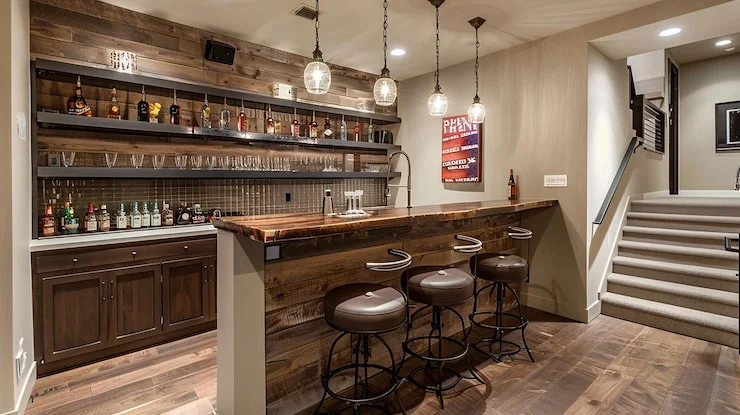
A home bar is not about filling a cabinet with every bottle you see at the store. It is about having a small set of things that work together so you can make a good drink without leaving the house. Most people who try to build a bar all at once end up with a lot of bottles they never open and tools they never use. The better approach is to start with what you actually need for the drinks you already like, then let the bar grow as your home bar checklist for beginners.
This guide walks through the setup step by step. You will see where to put the bar, what tools are worth buying, which bottles to start with, and how to keep the whole thing from becoming a mess.
Figure Out Where Your Bar Will Live
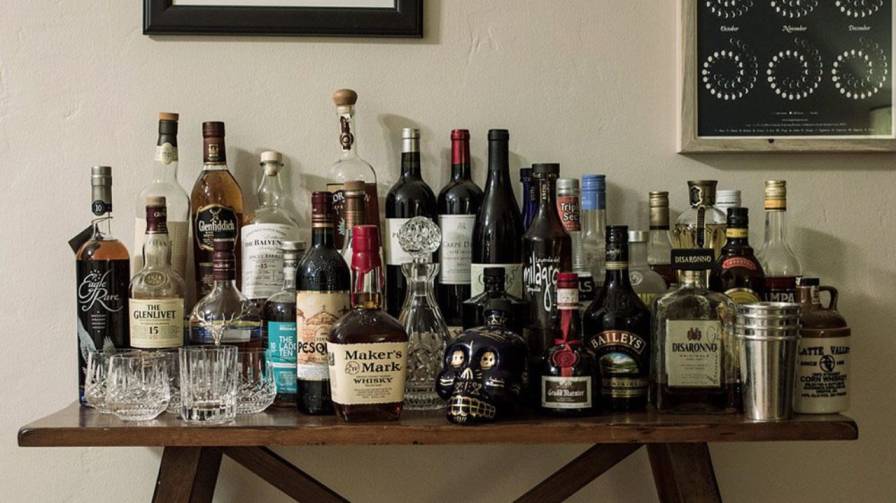
Before you buy a single bottle or tool, pick the spot. This decision shapes everything else. You do not need a dedicated room or a fancy cabinet. A kitchen counter with one shelf above it works fine. What matters is that the bottles, tools, and glasses are within reach when you are mixing.
If you have a spare corner, a narrow console table or a small drinks trolley gives you surface space to work. Add a shelf above it for glasses and you have a complete station. If space is tight, clear off a section of counter or a bookshelf and keep it for the bar only. A bar mat defines the mixing zone and keeps bottles from sliding around.
One thing to keep in mind: a tidy bar with five bottles looks better than a cluttered bar with fifteen. Quality over quantity always wins.
Read Also: Small Luxury Home Bar Design Inspiration
The Tools Worth Buying First
This is where most beginners overspend. You do not need a fifteen-piece kit with a smoking gun and a Japanese jigger. You need four tools to start: a shaker, a jigger, a strainer, and a bar spoon. Everything else can wait.
Cocktail Shaker
A shaker is the tool you will use most. The three-piece cobbler shaker with a built-in strainer is the easiest option for beginners because you do not need a separate strainer. A two-piece Boston shaker is what most bartenders use, but it takes a little practice to open after shaking. Either one works. Get stainless steel.
Jigger
This is the double-sided measuring tool, and it is more important than most beginners realize. "I can eyeball it" is how you ruin drinks and waste good alcohol. A double-sided jigger with 30ml and 60ml measures handles almost every recipe. Measure your pours every time.
Strainer
If you use a cobbler shaker, the strainer is built in. If you go with a Boston shaker, you need a Hawthorne strainer. The spring coil keeps ice and fruit pulp out of the final drink. A fine mesh strainer is also useful for double-straining, but it is not required on day one.
Bar Spoon
A long-handled bar spoon is used to stir drinks without breaking the ice. The spiral shape makes mixing easier than a regular kitchen spoon. You cannot stir a proper Martini or Manhattan with a teaspoon. Get one with a disk on the top end if you can, because it doubles as a ice cracker.
Muddler
A muddler crushes herbs, fruit, and spices at the bottom of a glass to release their flavor. It is essential for Mojitos and any drink with fresh mint or citrus. Wood or stainless steel both work. If you do not plan to make muddled drinks, you can wait on this one.
The Bottles That Cover the Most Drinks
You do not need a full liquor store. Five or six well-chosen bottles cover a huge range of cocktails. Start with these.
Gin
A good London Dry Gin is the most versatile choice. It works in a Martini, a Gin and Tonic, and dozens of other classics. One bottle is enough to start.
Vodka
Vodka is a blank slate. It does not add much flavor on its own, which makes it useful for drinks where you want the mixer to stand out. A Cosmopolitan or a Moscow Mule starts with vodka. It is also the easiest spirit for beginners to enjoy.
White Rum
Light rum is the workhorse for most rum cocktails, from the Daiquiri to the Mojito. If you like tropical drinks, a dark rum as a second bottle opens up even more options.
Tequila
A blanco or silver tequila is the most versatile style. It is what you want for a Margarita and for most tequila cocktails. A reposado is a nice upgrade later if you want something with a bit more age.
Whiskey
This category is wide, so pick based on what you like. Bourbon is the most mixable for classic cocktails like the Old Fashioned and the Whiskey Sour. Rye is also excellent for mixed drinks. If you prefer Scotch or Irish whiskey, start with one bottle of that instead.
Orange Liqueur
This is not a base spirit, but it shows up in so many cocktails that it belongs in the starter set. Triple sec or Cointreau turns up in Margaritas, Cosmopolitans, Sidecars, and more. One bottle lasts a long time.
Glassware Without the Splurge
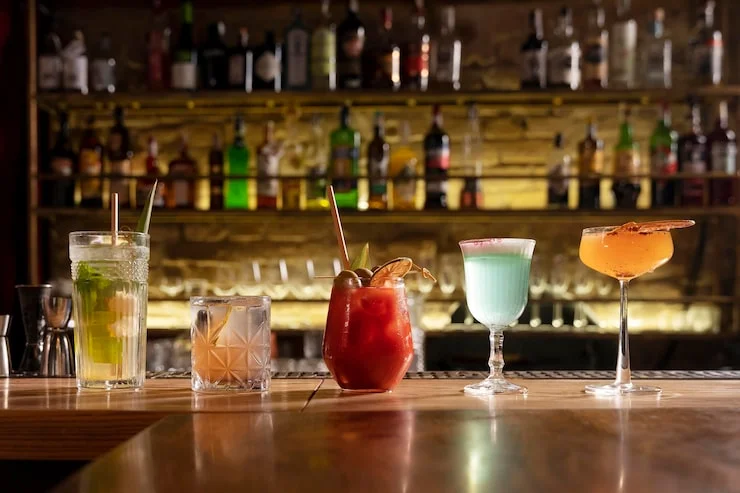
You do not need a different glass for every drink. Three types cover almost everything.
Rocks glasses (lowball glasses): Short, wide glasses for spirits on ice and drinks like the Old Fashioned. A double Old Fashioned glass holds about 10 ounces, which is enough for a drink with a large ice cube and a garnish.
Highball glasses (Collins glasses): Tall, narrow glasses for drinks with more mixer, like a Gin and Tonic or a Tom Collins. They hold more liquid than a rocks glass.
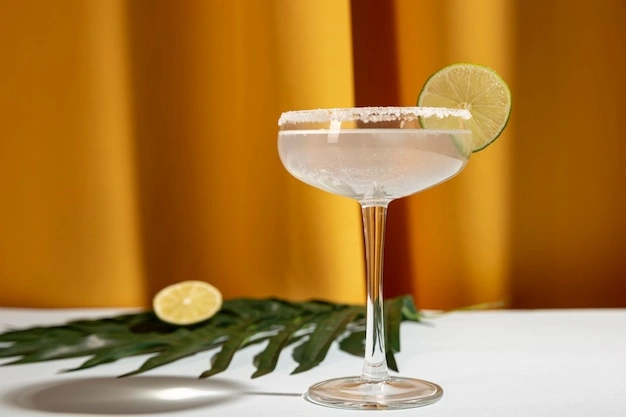
Coupe glasses: Shallow, stemmed glasses for chilled cocktails served without ice. A coupe works for Martinis, Manhattans, and Champagne. It is more forgiving than a traditional Martini glass because the wide bowl makes it harder to spill.
Start with two of each. You can add more later if you host often.
You May Also Like: Small Home Bar Ideas For Hosting Guests
Mixers, Syrups, and Garnishes
The bottles get the attention, but the extras are what make drinks taste good.
Fresh citrus: Lemons and limes. Fresh juice is not the same as bottled juice, and the difference in a Daiquiri or a Gimlet is obvious. A simple handheld citrus squeezer is enough.
Sugar syrup: Also called simple syrup. You can buy it or make it by heating equal parts sugar and water until the sugar dissolves. It sweetens drinks without the grit of undissolved sugar.
Bitters: Angostura bitters are the most common. A few dashes add depth to an Old Fashioned or a Manhattan. One bottle lasts for years.
Soda and tonic: Keep a few bottles on hand for highball drinks. Ginger beer is also useful if you like Dark and Stormys or Moscow Mules.
Garnishes: Fresh mint, orange peels, lemon twists, and cocktail cherries. Skip the neon-colored cherries. Good garnishes make a drink look and smell better.
Three Drinks to Learn First
Once you have the basics, pick a few simple drinks to practice. These three teach the core techniques and use ingredients you already have.
The Gin and Tonic: Fill a highball glass with ice. Pour in two ounces of gin. Top with tonic water. Squeeze in a lime wedge and drop it in. Stir once. This is the easiest drink to make and the easiest to get wrong if you use bad tonic or warm gin.
The Daiquiri: Add two ounces of white rum, one ounce of fresh lime juice, and three-quarters of an ounce of sugar syrup to a shaker with ice. Shake hard for about twelve seconds. Strain into a chilled coupe glass. This drink has three ingredients and shows you exactly how much difference fresh juice and home bar checklist for beginners.
The Old Fashioned: Put a sugar cube in a rocks glass. Add three dashes of Angostura bitters and a splash of water. Muddle until the sugar dissolves. Add two ounces of bourbon and one large ice cube. Stir for about twenty seconds. Express an orange peel over the top and drop it in. This teaches you how to build a drink in the glass and how stirring works.
Let the Bar Grow With You
The biggest mistake beginners make is buying everything at once. The bar should grow as your taste grows. Buy a new bottle when a recipe calls for it. Add a tool when you find yourself needing it. Keep what you actually use, not what you think a bar should have.