Baijiu is a traditional Chinese spirit made from fermented grains, most often sorghum. It is clear, strong, and usually between 40 and 60 percent alcohol by volume . If you have ever seen a small shot glass of clear liquid at a Chinese banquet and watched everyone stand up to drink it at once, that was likely baijiu.
The drink is not just a beverage in China. It is a social tool, a sign of respect, and a part of celebrations that stretch back thousands of years. Yet outside of China, very few people know what it is or how it is made. This article explains baijiu in plain terms, from the grains used to the way it tastes and the role it plays at the table.
The Basic Definition
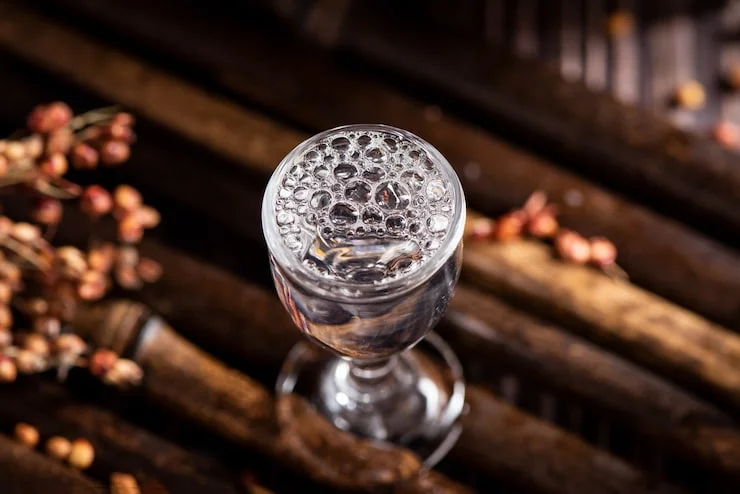
Baijiu (pronounced "bye-joe") literally means "white liquor" in Chinese . The name comes from the clear color of the liquid. It is a distilled spirit, which means it is made by heating a fermented mixture to capture and condense the alcohol vapor.
What makes baijiu different from other clear spirits like vodka or gin is the starting material and the fermentation process. Vodka is often made from potatoes or wheat and is distilled to be nearly flavorless. Baijiu is made from grains and is distilled in a way that keeps a wide range of flavors and aromas in the final product. It is meant to be tasted, not just felt.
Baijiu is the most consumed distilled spirit in the world by volume. More than 90 percent of that consumption happens inside China . For most people in China, baijiu is not an exotic drink. It is the default spirit for important meals.
Read Also: Difference Between Non Alcoholic Spirits And Mocktails
How Baijiu Is Made?
The production of baijiu is built around one key ingredient: a fermentation starter called qu (pronounced "chew"). Qu is a brick made from crushed wheat, barley, and sometimes peas . It is left in warm, humid conditions where natural yeasts and fungi grow on it.
When the qu is ready, it is ground up and mixed with cooked grains. The enzymes from the microorganisms in the qu break down the starches in the grain into sugars, and then turn those sugars into alcohol . This is the same basic idea as adding yeast to bread dough, but on a much more complex scale.
The grain mixture is then packed into pits or pottery jars and left to ferment for one to three months . After fermentation, the solid mixture is transferred to a still. Steam passes through the grains and carries the alcohol and flavor compounds out with it. The vapor is cooled and collected as liquid.
Most baijiu goes through several rounds of this process. Fresh grain is added, and the fermentation and distillation cycle repeats. The batches are then aged in sealed pottery jars and blended together before bottling . A single bottle of a high-end brand like Moutai can be a blend of over a hundred different distilled batches .
The Four Main Aroma Types
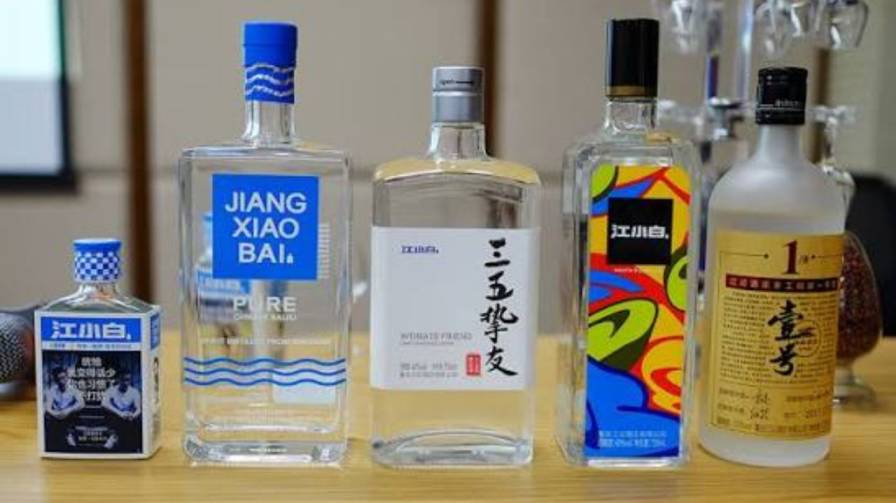
Walk into a baijiu shop in China and you will see bottles arranged by aroma type. The four main categories tell you what to expect before you open the bottle.
Strong aroma is the most popular style. It is made with multiple grains and has a full, sweet, and fruity smell. The flavor is intense and lingers in the mouth.
Sauce aroma is named for its similarity to the smell of soy sauce. It is savory, slightly funky, and complex. Moutai is the most famous example of this style . Sauce aroma baijiu is often the most expensive and is frequently given as a gift.
Light aroma is cleaner and milder. It is usually made from sorghum alone and has a soft, slightly floral character. This style is common in the northern part of China around Beijing .
Rice aroma is the sweetest and gentlest of the four. It is made from rice and has a lighter body compared to the others. For someone trying baijiu for the first time, rice aroma is often the easiest place to start .
What Baijiu Tastes Like
Describing the taste of baijiu to someone who has never had it is difficult because there is no other drink quite like it. Western tasters have used words like "funky," "sweet fruit," and "nutty" . Some compare the sauce aroma type to soy sauce or fermented beans.
The first sip can be a shock. The alcohol content is high, and the flavors are more concentrated than in a typical vodka or gin. It is not meant to be sipped like a fine wine. In China, it is usually drunk in small shots, often all at once.
The finish is long. The flavors stay in your mouth and throat after you swallow. Some people find this pleasant and complex. Others find it overwhelming. Both reactions are common.
You May Also Like: A Guide to Classic and Modern Bloody Mary Garnishes
How Baijiu Is Drunk in China?
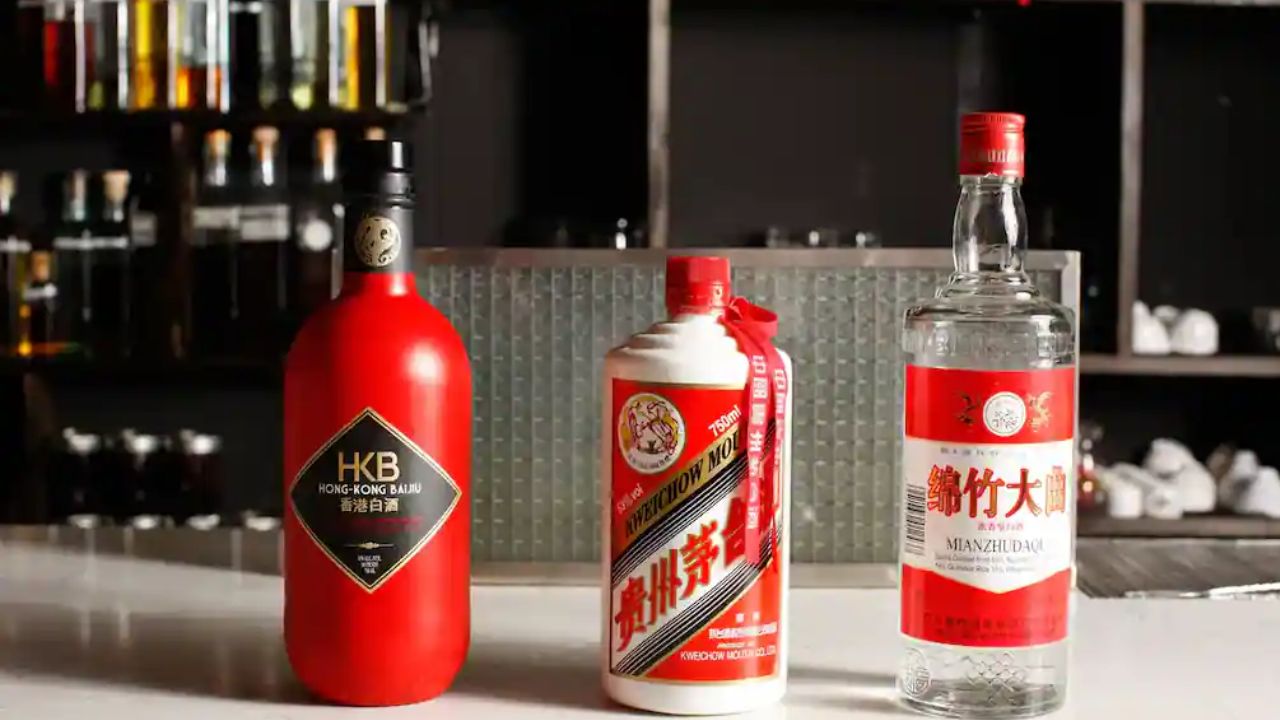
The way baijiu is consumed matters as much as the drink itself. It is almost never a solo activity. Baijiu is poured at banquets, business dinners, weddings, and family gatherings .
The most important word to know is ganbei (pronounced "gon-bay"). It means "dry the glass" or "bottoms up." When someone calls for a ganbei, everyone at the table is expected to drink the entire contents of their small glass . The host often turns the empty glass upside down to prove that nothing is left.
This style of drinking is not about getting drunk for its own sake. It is a way to show respect and build trust. In Chinese social settings, drinking together is a way to mark that a relationship matters. Refusing a toast can be seen as a rejection of the person offering it.
That said, the culture is changing. In larger cities like Beijing and Shanghai, the pressure to drink heavily at business meals has eased in recent years as concerns about health have grown . Younger people are also drinking less baijiu and more beer, wine, and other drinks . The tradition is still strong, but it is adapting.
FAQs
Is baijiu the same as sake or soju?
No. Sake is a rice wine from Japan with a much lower alcohol content. Soju is a Korean spirit that is typically milder and sweeter. Baijiu is stronger and has a much more complex, pungent flavor profile.
Why is baijiu so expensive?
Not all baijiu is expensive. There are affordable bottles for everyday drinking. The high prices come from aged, premium brands like Moutai, which are often bought as gifts or collected. A bottle of Moutai can cost more than a month's rent in some cities.
Can you mix baijiu in cocktails?
Some bars outside of China have started using baijiu in cocktails. The strong flavor can work in drinks that have bold ingredients like ginger, citrus, or tea. However, in China, baijiu is almost always drunk straight.
How should you store baijiu?
Keep it upright in a cool, dark place. Once opened, it will keep for a long time because of the high alcohol content. Some collectors age unopened bottles for years, though the spirit does not change much once it is bottled.
Final Thoughts
Baijiu is a drink that rewards curiosity. It is not an easy spirit to love on the first try, but it is one of the most complex and culturally rich drinks in the world. Understanding what it is made from, how it is produced, and how it is shared at the table turns a strange shot of clear liquid into something meaningful.
If you ever get the chance to try it, start with a rice aroma or light aroma style. Take a small sip. You do not have to finish the glass. But you will at least know what the world's most consumed spirit actually tastes like.